2026 Top EV Chargers for Business Which Is Best?
Choosing the right Ev Chargers For Business solution is no longer a simple hardware decision. It affects fleet uptime, employee satisfaction, customer dwell time, and long-term operating costs. The International Energy Agency’s Global EV Outlook 2025 reports continued electric-car sales growth worldwide, while the U.S. Department of Energy tracks more than 200,000 public charging ports across the United States. Demand is rising. So are expectations.
Pasquale Romano, former ChargePoint CEO, described charging as “the gas station of the future.” That comparison remains useful, but it is incomplete. A business charger must also manage electricity demand, payment access, maintenance, software updates, and parking behavior. A 150-kilowatt unit may look impressive beside a warehouse entrance. However, it may create unnecessary demand charges without load management. A slower charger could serve delivery vehicles better during eight-hour shifts. The best answer depends on duty cycles, site power, climate, and user turnover.
This guide compares leading commercial chargers through practical criteria. We examine charging speed, connector compatibility, uptime, network software, installation demands, warranty coverage, and total cost of ownership. Data from the IEA, BloombergNEF, and the U.S. Department of Energy helps frame the market. Manufacturer claims still require scrutiny. Real sites are messier than brochures suggest. A cable gets damaged. A parking bay becomes blocked. Firmware fails at the worst time. These details matter.
The strongest Ev Chargers For Business choice is not always the fastest model. It is the system that keeps vehicles moving, costs visible, and customers confident. That conclusion deserves regular review as technology and electricity prices change.
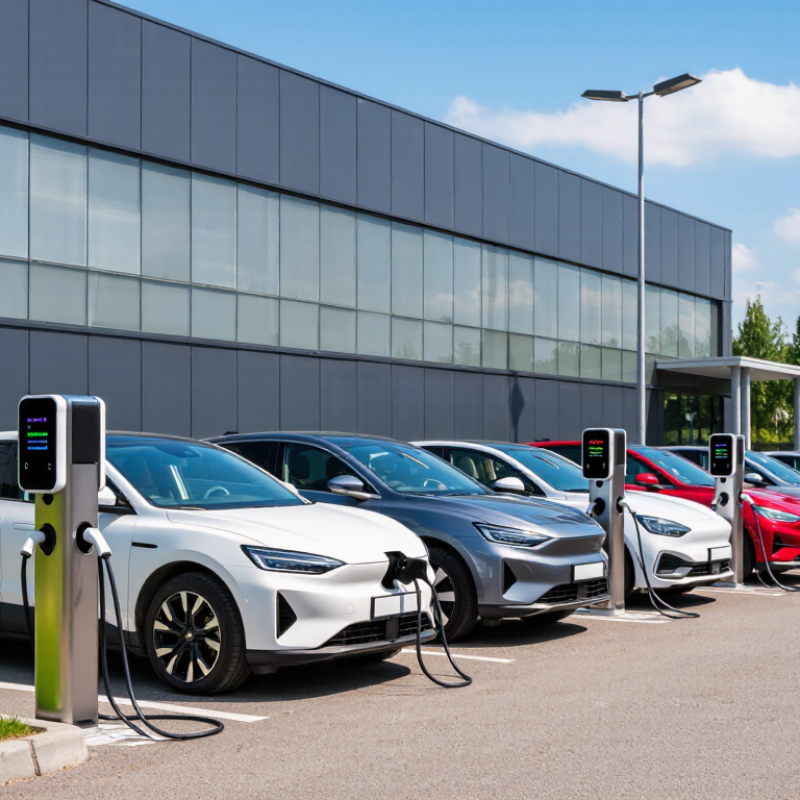
Understanding Business EV Charging Needs in 2026
Understanding Business EV Charging Needs in 2026
Choosing an EV charger for business begins with daily vehicle movement, not advertised charging speed. In workplace and fleet assessments, I examine arrival times, parking duration, battery sizes, and available electrical capacity. A delivery van needing rapid turnaround has different needs from an employee’s car parked for eight hours.
Load management matters. It prevents several chargers from overloading a building during busy periods. Reliable payment controls, user access settings, weather protection, and clear energy reporting also reduce operating problems.
For outdoor sites, installers should check drainage, cable reach, lighting, and physical protection around each charging bay. Small details matter.
A practical 2026 plan should allow future expansion without paying for unnecessary capacity today. Site owners should request independent electrical assessments and verify compliance with local requirements. Service response time deserves equal attention. A charger that is technically powerful but unavailable every Monday morning quickly loses value. That happens.
I have seen businesses focus too heavily on maximum kilowatt ratings. The result was expensive equipment and limited daily use. A better evaluation compares total ownership cost, expected utilization, maintenance access, and available grid capacity.
Businesses should also test the user experience with real drivers, including connection steps, payment screens, and cable handling. Early assumptions can be wrong. Teams should review usage data after installation and adjust pricing, access rules, or charging schedules when actual behavior differs from the original plan.
Comparing EV Charger Types, Power Levels, and Charging Speeds
Choosing business EV chargers starts with parking time, not the highest advertised number. AC Level 2 units commonly deliver 7–22 kW, depending on site wiring and vehicle limits. They suit offices, hotels, and apartments where cars remain for several hours. A 7 kW session can add useful range during a workday. However, real output may fall during cold weather or shared electrical demand. That detail is easy to overlook.
DC fast chargers use direct current and typically provide 50–350 kW. They can add substantial range during short stops, making them suitable for highways, taxis, and busy commercial sites. Yet charging speed is not constant. Batteries often reduce power after reaching a high state of charge. Vehicle acceptance limits matter, too. A 150 kW charger cannot force a 50 kW vehicle to charge faster. Installation costs, transformer capacity, cable cooling, and demand charges also shape the decision. In my experience, businesses sometimes buy fast chargers before checking average dwell time. That is an expensive mismatch.
Tips: Measure arrival times, departure times, and daily energy use for four weeks. Check each vehicle’s maximum AC and DC input. Leave capacity for future vehicles. Use load management when several cars charge together. Test the layout with a fully occupied parking area. Small signs help drivers choose the correct connector. I would also review charging data monthly, because early assumptions are often wrong.
For business fleets, AC Level 2 chargers are generally suited to workplace and overnight parking, while DC fast chargers are better for high-turnover sites and rapid top-ups. The power ratings shown are common charger classes; actual charging speed depends on vehicle acceptance limits, battery state of charge, temperature, and site capacity.
Reviewing Safety, Reliability, Compatibility, and Smart Features
2026 Top EV Chargers for Business: Which Is Best?
Choosing a commercial EV charger requires more than comparing charging speed. The International Energy Agency reported over 17 million electric cars sold globally in 2024. That growth increases pressure on workplace, retail, and fleet charging sites. Safety should come first, with certified protection against ground faults, overheating, and unauthorized access. Look for equipment aligned with IEC 61851 and relevant regional safety standards. A charger that fails during rain or heavy use is not reliable enough.
Compatibility also deserves careful testing. A suitable unit should support the vehicle connectors used by your customers and fleet. It should also allow future standards through replaceable cables or software updates. The U.S. Joint Office requires federally funded charging sites to achieve at least 97% uptime. That target is useful, but real performance depends on installation quality, network service, and maintenance response. Smart features matter, too. OCPP support, dynamic load management, payment controls, and energy monitoring can reduce peak-demand costs. Yet complicated software can create new failure points. I have seen promising systems become difficult to manage after deployment.
Tips: Test every connector with different vehicles before opening the site. Check cable reach around parking bays. Request service-response times, not vague reliability claims. Review monthly energy reports. Keep spare cables and clear signage nearby. A short pilot can reveal problems that a sales demonstration hides.
Choosing the Best EV Charger for Your Business Goals
2026 Top EV Chargers for Business: Which Is Best?
Choosing the best EV charger starts with your business goals, not the highest charging speed. A hotel may need reliable overnight charging, while a delivery depot needs rapid daytime turnaround. An office might serve employees for eight hours, making moderate AC charging practical. Study parking duration, daily vehicle numbers, and available electrical capacity before purchasing equipment. A site survey by a qualified electrical professional can reveal costly limits early.
In real installations, load management often matters more than headline power. It can prevent several chargers from overloading the building during busy periods. Look for strong weather protection, clear user controls, remote monitoring, and dependable maintenance support. Payment options and usage reports also help businesses measure return on investment. Fast charging is not always better. It may increase installation costs without improving customer experience. I have seen projects overbuilt for occasional demand, leaving expensive equipment underused.
Tips
Record charging sessions for several weeks. Compare peak demand, average parking time, and failed starts. Ask for service response times in writing. Test the charger with different vehicle models before expanding. Leave room for future capacity, but avoid buying everything today. A small pilot may expose assumptions that looked reasonable on paper.




 Phone
Phone Send Email
 whatsapp
 Facebook
 Youtube