2026 Best Home Vehicle Charging Station for Efficient Charging?
As electric vehicles gain popularity, the need for a reliable Home Vehicle Charging Station becomes essential. In 2026, choices abound for consumers seeking efficiency. A well-chosen charging station can enhance convenience and reduce energy costs.
Home Vehicle Charging Stations vary in technology and pricing. Users often grapple with understanding charging speeds, compatibility, and installation requirements. The best options are those that fit individual needs while ensuring dependable performance.
Choosing the right charging station isn't without challenges. Some features may go unnoticed, leading to unsatisfactory experiences. Research shows that an informed selection process pays off significantly. Prospective buyers should weigh their options carefully, considering factors like home layout and energy efficiency.
Types of Home Vehicle Charging Stations Available in 2026
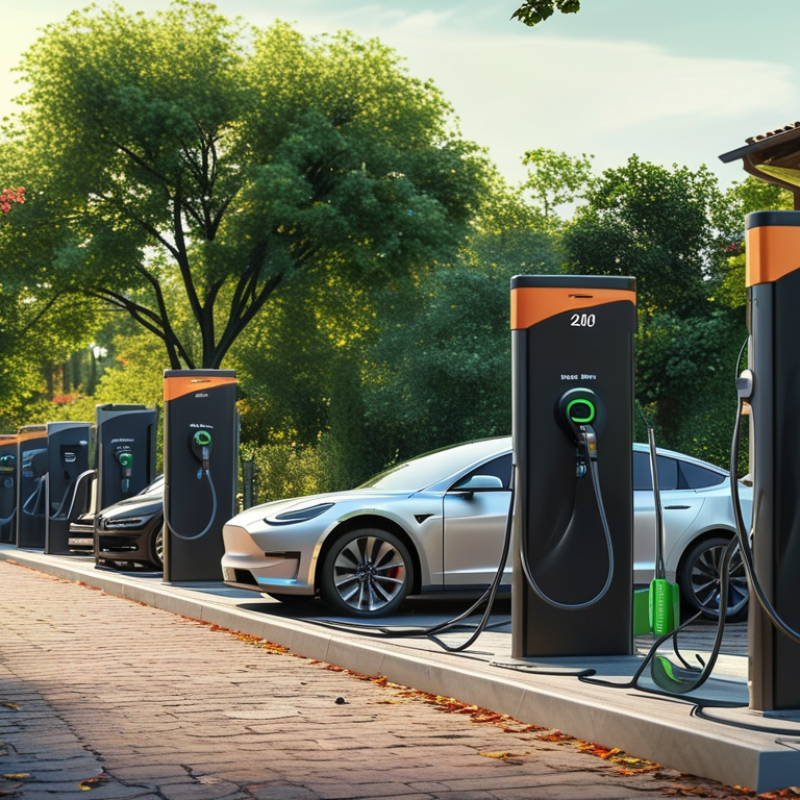
As electric vehicles become more popular, home vehicle charging stations are essential. In 2026, various types of charging stations cater to different needs. Level 1 chargers use standard outlets and are slow. They are great for overnight charging but may not meet urgent needs. Level 2 chargers are more powerful, offering faster charging times. They require installation and higher voltage outlets but are worth the investment for frequent electric vehicle users.
Solar-powered charging stations are emerging as a sustainable option. These systems harness solar energy to charge vehicles, reducing reliance on the grid. While the initial setup can be expensive, the long-term savings are notable. It’s an eco-friendly choice that aligns with modern green living.
Tips: Evaluate your driving habits before selecting a charging station. If you drive long distances daily, investing in a Level 2 charger is smart. Check electric rates in your area; they affect the cost of charging at home. Not all homes are wired for higher voltage; consider a professional consultation. Each option has its pros and cons. A slower charger may work for less frequent users, but it might frustrate those with higher demands. Adjust your choice according to your unique lifestyle.
Key Features to Consider When Choosing a Charging Station
Choosing the right home vehicle charging station is crucial for efficiency. Consider power output. Higher kilowatt ratings allow faster charging. Look for stations with adjustable power settings. This feature is handy for different vehicle models.
Compatibility should also be a priority. Ensure the station connects seamlessly with your electric vehicle. Various standards exist, and not all stations cater to every model. It's crucial to verify specifications before making a purchase.
Safety features can’t be overlooked. Stations should have built-in protection against overloads and surges. A reliable device should also have weatherproofing if it’s installed outdoors. Think about the installation process, too. Some stations require professional help, which can add to the overall cost. Evaluate your home’s electrical capacity as well; inefficient setups can be a hassle later.
Cost Analysis: Initial Investment vs. Long-Term Savings
As electric vehicle ownership rises, many homeowners contemplate investing in a charging station. Understanding the cost implications is vital. The initial investment can seem daunting, often ranging from $400 to $1,500 for a home charging station, depending on specifications and installation.
However, the long-term savings can be significant. According to research, average electricity costs are lower than gasoline prices. By charging at home, drivers can also take advantage of off-peak utility rates. This can lead to savings of several hundred dollars yearly.
Tips: Consider your average mileage and charging needs. This helps in choosing the right model. Also, look into local incentives or rebates for electric vehicle infrastructure. These can reduce your overall costs.
Yet, potential challenges exist. Installation might require electrical upgrades. It’s important to assess your current setup. Not every home is ready for a quick installation. Think through these details to evaluate your investment thoroughly.
Installation Requirements and Compatibility with Electric Vehicles
When choosing a home vehicle charging station, installation requirements play a crucial role. Many homes require specific electrical upgrades to support the new equipment. Older wiring may need assessment. Ensuring proper amperage is vital for efficient charging. Some installations can be straightforward, while others may involve complex re-wiring. This variability can create confusion for homeowners.
Compatibility with electric vehicles is another important factor. Not all charging stations work with every EV model. It’s crucial to check compatibility before making a purchase. Some vehicles have unique connectors. Others may require software updates for optimal performance. Homeowners should also consider smart charging options. These features often enhance efficiency but can complicate installation.
Reflecting on these elements, you may discover unexpected challenges. My neighbor faced significant delays due to permit requirements. Understanding local regulations can prevent similar setbacks. Researching these factors early can save time and money later. Engaging with local electricians is advisable for tailored advice. Prioritize a charging station that fits both your home and your vehicle's needs.
2026 Best Home Vehicle Charging Station for Efficient Charging
| Charger Type |
Power Output (kW) |
Charging Time (hrs) |
Compatibility |
Installation Requirements |
| Level 2 Charger |
7.2 |
4-8 |
Most EVs |
Dedicated 240V circuit |
| Level 2 Charger |
9.6 |
4-6 |
Most EVs |
Dedicated 240V circuit |
| Level 3 Charger |
50 |
0.5-1 |
Limited EVs |
Three-phase power, professional installation |
| Wireless Charger |
7.2 |
4-8 |
Selected EVs |
Level floor, specialized pad installation |
Future Trends in Home Charging Solutions and Technologies
As electric vehicles (EVs) gain popularity, efficient home charging solutions are essential. The future of home charging is looking brighter with advancements in technology. Innovations focus on speed, convenience, and sustainability. Smart charging stations are being developed to optimize electricity use. This reduces costs and enhances charging efficiency.
Tips: Look for chargers that support multiple vehicle types. Compatibility is key for future-proofing your investment. Upgrading your home's electrical system might be necessary to support the latest charging technologies.
Battery storage is another emerging trend. It allows homeowners to store energy generated from solar panels. This can be used for charging at peak times, saving money. However, initial setup costs can be a barrier. Consumers need to weigh these costs against long-term savings.
Adopting renewable energy sources for home charging is vital. It significantly decreases carbon footprints. However, this transition may require lifestyle changes. Being open to new habits, like timing your charging, can lead to better energy management.


 Phone
Phone Send Email
 whatsapp
 Facebook
 Youtube