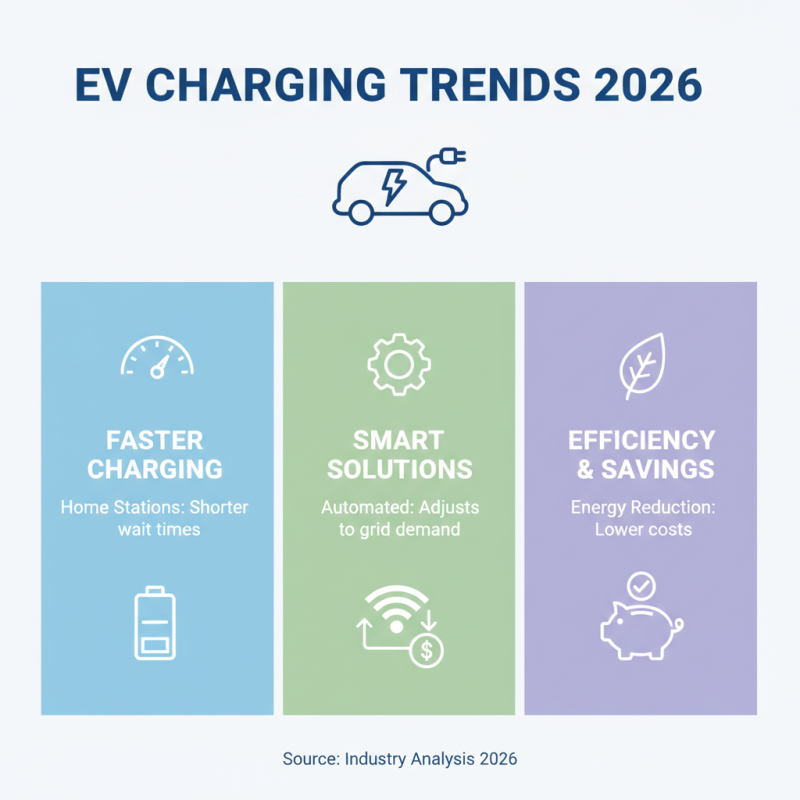
2026 Top Trends in Home Vehicle Charging Stations?
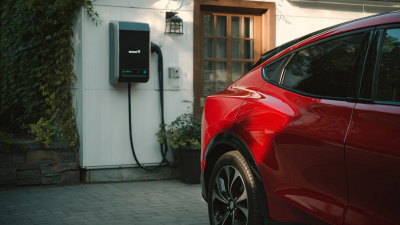
As we look toward 2026, the evolution of the Home Vehicle Charging Station is undeniable. This innovation is becoming vital for electric vehicle owners. More households will prioritize charging solutions at home. The convenience of recharging overnight will reshape the way people drive.
Emerging technologies will enhance these stations. Smart features may allow users to monitor energy consumption via apps. Yet, not all systems will be user-friendly. Some may struggle with installation or compatibility issues. This creates a need for better guidelines and support for consumers.
Additionally, the environmental impact cannot be ignored. A rise in charging stations may add to demand on the electrical grid. Communities will need to plan for this increased usage. Addressing these challenges is crucial for the future of Home Vehicle Charging Stations. Understanding these trends is essential for smart investments and consumer choices.
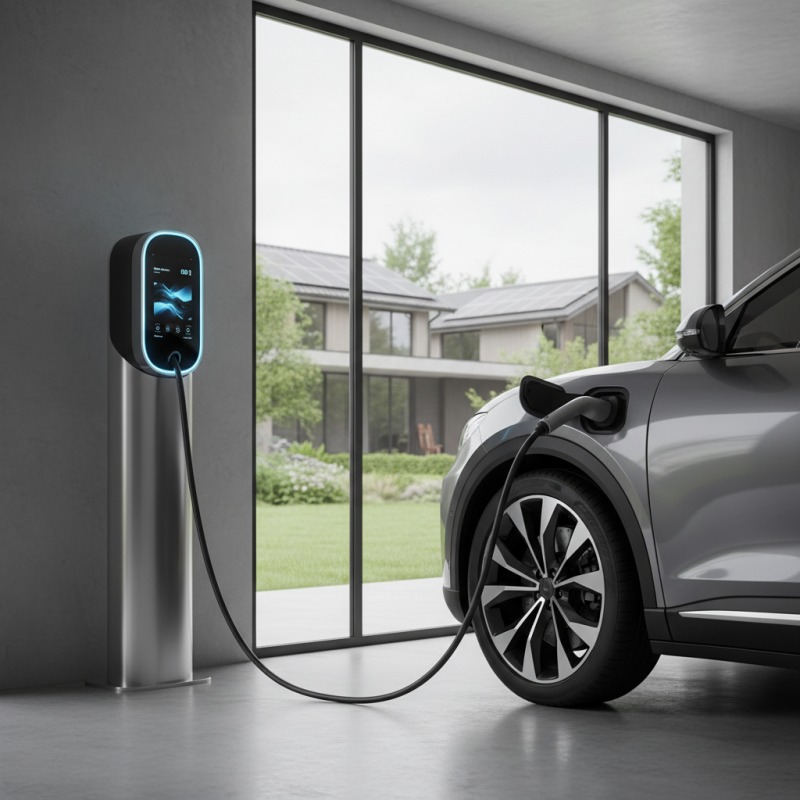
Overview of Home Vehicle Charging Stations and Their Evolution
Home vehicle charging stations have come a long way since their inception. In the early days, charging options were limited. Most households relied on standard outlets, which were slow and inconvenient. Today’s systems are more advanced and user-friendly. They cater to a variety of electric vehicles, adapting to the needs of homeowners.
As technology evolves, so too does the design of these charging stations. Modern units come equipped with smart features. Many allow for scheduling charges during off-peak hours. This can lead to lower energy costs. However, not all homes can accommodate these new systems. Some homeowners find installation challenging and costly. This can be a hurdle for those considering an electric vehicle.
The environmental impact is another important aspect to consider. While charging stations reduce emissions from traditional vehicles, the energy source matters. If homes rely on non-renewable energy, the benefits diminish. Homeowners need to reflect on their energy choices when investing in a charging station. Balancing convenience and sustainability requires careful thought and planning.
Key Technological Advancements Shaping Charging Station Design
As electric vehicles gain popularity, home vehicle charging stations evolve. Key advancements in technology influence their design and functionality. More users seek efficient and user-friendly charging solutions.
One emerging trend is smart charging capability. Smart chargers connect to home Wi-Fi, enabling remote monitoring. Users can track energy usage and charging status from their smartphones. This feature enhances convenience and energy management.
Consider integrating solar panels with your charging station. This combination maximizes sustainability. Solar-powered charging reduces electricity costs and relies on renewable energy. It’s an eco-friendly choice that many homeowners are now prioritizing.
When installing a charging station, think about location. Placing it near your parking area is practical. However, consider weather protection. Not all stations are built to withstand harsh conditions. Choosing the right model ensures longevity. Always weigh your options carefully; not every product meets all needs.
2026 Trends in Home Vehicle Charging Stations
Trends in Charging Speed and Efficiency for Electric Vehicles
As electric vehicles (EVs) continue to rise in popularity, charging speed and efficiency have become crucial focuses in home charging stations. In 2026, many homeowners will expect faster charging options. Smart charging solutions are gaining traction. These systems can automatically adjust charging times based on energy grid demand. This efficiency not only saves energy but also reduces costs.
Moreover, advancements in battery technology are driving improvements in charging efficiency. New materials are being explored to enhance energy transfer. Ultra-fast chargers are being developed that can deliver significant mileage in a short time. However, the infrastructure still faces challenges. Not all homes can support high-power installations. Older electrical systems may struggle to provide the required capacity. This indicates a need for upgrades in many households.
Additionally, user experience remains a focal point. Many find current charging interfaces confusing. Intuitive designs and app integrations are necessary for better engagement. Homeowners may feel overwhelmed by this technology, creating barriers to adoption. Addressing these usability issues will be key to broader acceptance. Every new trend presents opportunities and challenges, prompting reflection on the overall progress in the EV charging landscape.
Sustainability Features in Modern Home Charging Solutions
The shift towards sustainability is transforming home vehicle charging stations. Many homeowners are adopting solutions that utilize renewable energy.
Solar panels integrated with charging stations are a prime example. This innovative approach not only reduces reliance on the grid but also lowers electricity bills significantly.
Energy management systems can further enhance these eco-friendly setups. Smart technology allows homeowners to optimize charging times based on energy prices. However, not all solutions are user-friendly. Many users report difficulties in accessing these features, leading to frustration. As technology improves, these issues may diminish, but they highlight the need for accessible designs.
Battery storage systems play a crucial role in this sustainability trend. They store excess energy generated during the day for nighttime use. However, the initial costs can be a barrier for many households. Balancing efficiency and affordability remains a challenge. The growth of sustainable charging solutions is promising, but reflection on accessibility is essential for broader adoption.
The Impact of Government Regulations on Charging Station Adoption
Government regulations are playing a crucial role in the adoption of home vehicle charging stations. As electric vehicle (EV) sales soar, policies are evolving to support this shift. According to a recent industry report, regulatory incentives are expected to increase charging station installations by 40% over the next five years. These initiatives include tax credits, rebates, and funding for infrastructure improvements.
More cities are requiring new constructions to include EV charging stations. This mandate is pushing homeowners to consider installation. Of course, this isn’t without its challenges. Homeowners may face initial costs that feel steep. A 2023 survey indicates that over 50% of potential buyers are concerned about these expenses. They worry about the return on investment.
Tip: Research local and federal incentives. You might find a significant percentage of your installation cost covered.
Furthermore, local jurisdictions are also modifying zoning laws. These changes are designed to streamline the approval process for new charging installations. However, the lack of standardized guidelines can lead to confusion. Homeowners risk facing additional fees or delays from multiple jurisdictions.
Tip: Engage with your local government. Understand the regulations that apply to your area. This preparation could save you time and money.


 Phone
Phone Send Email
 whatsapp
 Facebook
 Youtube