Choosing a reliable DC Fast Charger station supplier requires more than comparing advertised charging speeds. Buyers must examine field experience, hardware quality, software support, and long-term service capacity. A supplier may promise 350 kW output, yet real performance can change with battery temperature, grid limits, and vehicle compatibility. Practical evidence matters.
This guide explores leading DC fast charger station suppliers worldwide through clear, useful criteria. We consider charging power, connector standards, payment systems, remote monitoring, installation support, and maintenance response times. Certification and regional compliance also deserve careful attention. These details affect safety, uptime, and operating costs.
Look beyond the brochure.
Experienced operators often reveal issues that product pages omit. A charger installed beside a busy highway faces dust, rain, cable damage, and constant daily use. Urban sites may have different challenges, including limited space and expensive electrical upgrades. Supplier references, warranty terms, spare-parts access, and software integration can expose those differences.
No supplier is perfect. Even respected manufacturers may struggle with local support or delayed components. Rankings can also become outdated as technology and partnerships change. Therefore, this overview offers a practical comparison, not an absolute verdict. Readers should verify current specifications, regional certifications, service networks, and independent customer feedback before making a purchase. Reliable research takes time. It can prevent costly surprises.
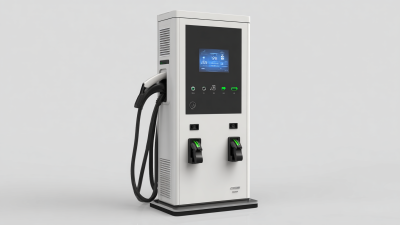
A DC fast charger station converts grid electricity into direct current for an electric vehicle’s battery. Unlike slower AC charging, it sends power directly to the battery management system. Many stations deliver 50 to 350 kilowatts, depending on the vehicle, connector, battery temperature, and site capacity. A 150-kilowatt charger will not always provide 150 kilowatts. Charging usually slows after the battery reaches a high state of charge.
The International Energy Agency reported more than 4 million public charging points worldwide at the end of 2023. It also recorded roughly 60% growth in public fast chargers during that year. This expansion increases demand for reliable station suppliers, but equipment alone is not enough. Buyers should examine uptime records, cooling design, payment systems, remote diagnostics, and maintenance coverage. A charger beside a busy highway needs different engineering from one serving a workplace car park. The difference matters.
Tips: Check the vehicle’s peak charging rate before selecting station power. Confirm grid capacity and cable reach at the site. Ask suppliers for independent safety certifications and real uptime data. A shiny screen proves little. Review winter performance, repair response times, and software update policies. Some specifications look impressive but lack operating context. That is where careful comparison becomes essential.
DC fast charging works by converting grid electricity into direct current inside the charging station. This DC power flows straight to the vehicle battery, bypassing the slower onboard AC charger. The station and vehicle communicate before charging begins. They check battery temperature, voltage, state of charge, and the maximum safe current.
High power is not constant. Charging usually rises quickly when the battery is low, then slows near 80 percent to protect battery cells. Cooling systems manage heat in the cable, connector, and power electronics. I have seen charging sessions slow unexpectedly on hot days. That is normal, although station software and battery condition can also affect performance. The technology is impressive, but it is not perfectly predictable.
Tips: Choose a station with suitable voltage and power for your vehicle. Check the connector before starting. Keep the cable straight and fully inserted. Avoid repeated fast charging when slower charging is practical. Read the vehicle’s charging curve, not only the station’s maximum rating. A 350-kilowatt station may deliver much less to a smaller battery. Planning around real conditions remains wiser than trusting headline numbers.
Choosing a global DC fast charger supplier requires more than comparing advertised power. A 350 kW unit may look impressive, but site capacity, cable cooling, and vehicle compatibility determine real charging speed. Experienced buyers inspect performance data from operating sites, not only laboratory tests. Ask for measured efficiency, uptime records, and output stability during winter and summer conditions.
Tips: Request a sample service report. Check response times, spare-parts locations, software update policies, and warranty limits. Test the charger with several vehicle models before signing a large order. Small details matter.
Reliable suppliers provide clear certifications, cybersecurity practices, and support for open communication protocols. Their monitoring platform should show faults, energy use, session history, and remote recovery actions. A supplier’s technical team should explain failure rates in plain language. Vague promises deserve caution. Installation guidance is also important, especially for grounding, drainage, ventilation, and traffic protection around the cabinet. In my experience, maintenance access is often overlooked until a technician needs to work beside a busy parking lane.
Cost comparisons should include electricity losses, subscription fees, replacement parts, training, and expected downtime. A cheaper charger can become expensive after repeated callouts. However, even strong documentation cannot predict every local problem. Grid interruptions, unusual heat, or unclear ownership may still expose weaknesses. Compare references from similar climates and traffic volumes, then verify those references independently.
Leading DC Fast Charger Station Suppliers Worldwide are judged by more than advertised power. The strongest suppliers combine high-voltage hardware, software monitoring, grid expertise, and dependable field service. Their stations support common charging standards and manage power across several vehicles. A 350 kW cabinet may deliver less when three cars charge together. That detail matters at busy highway sites.
The International Energy Agency’s Global EV Outlook 2024 reported more than four million public charging points worldwide in 2023. Public charging networks grew by over 40% that year, while fast-charging deployment expanded even faster. These figures show strong demand for suppliers with scalable manufacturing and proven maintenance systems. According to the same report, public charging capacity may need to increase roughly sixfold by 2035 under current policy expectations.
Reliability remains difficult. A supplier should publish uptime data, repair-response times, and charger performance under heat, rain, and winter conditions. Open communication protocols can reduce dependence on one software platform. Energy management also helps operators avoid expensive grid upgrades. The UL Solutions Global E-Mobility Survey highlights interoperability and infrastructure reliability as continuing industry concerns. Numbers can look impressive.
Buyers should inspect real project evidence, not only laboratory ratings. They can compare connector durability, payment integration, remote diagnostics, and spare-parts coverage. Regional electrical rules also affect installation speed. A supplier offering 600 kW hardware may still face transformer limits or long permitting delays. That gap between specification and daily operation deserves more attention.
Choosing a DC fast charger supplier starts with the application, not the advertised charging speed. A highway rest stop may need 300 kW units, while an urban parking site may need quieter, smaller equipment. Fleet depots often value overnight reliability, load balancing, and simple user access. Location matters.
Review the supplier’s field experience with similar climates and traffic levels. Ask for measured uptime, response times, spare-part policies, and commissioning procedures. A capable supplier should explain cable cooling, surge protection, payment systems, and remote diagnostics clearly. Verify electrical certifications and software compliance for your region. Avoid relying on glossy case studies alone. They can hide maintenance gaps.
Site power capacity should guide the final decision. A 1 MW depot connection may not support several chargers at full output. Dynamic power management can prevent expensive grid upgrades, but it requires stable software and accurate monitoring. Check whether the supplier supports open communication protocols and future hardware expansion. Also inspect the service network within driving distance, not merely the company’s global coverage. A distant expert may respond slowly during a winter outage.
Many buyers compare purchase prices too early. That is a mistake. Installation, utility upgrades, payment fees, maintenance, and downtime shape the real cost. Request a five-year operating estimate with clear assumptions. Test the charger interface with actual drivers before signing. Small usability problems become daily complaints. No supplier fits every site.