How to Select the Best Business Electric Vehicle Charging Solutions?
As the shift towards sustainability accelerates, businesses are increasingly considering electric vehicles. One critical aspect is selecting the best charging solutions for their fleets. According to Mark Johnson, a leading expert in the Business Electric Vehicle Charging industry, "Choosing the right charging infrastructure can make or break an electric vehicle strategy." His insights underscore the importance of informed decision-making.
The landscape of electric vehicle charging is complex. Various options exist, from Level 1 chargers to fast DC stations. Each solution has its pros and cons. Businesses must weigh costs, installation requirements, and usage needs. Furthermore, considering location and future growth is vital. A poor choice today can limit options tomorrow.
Many companies face challenges in navigating this transition. A top-notch charging solution should consider employee accessibility and operational efficiency. Reflecting on the electric vehicle adoption journey reveals that many firms underestimate their needs. It's essential to engage with experts and assess multiple options carefully to avoid common pitfalls.
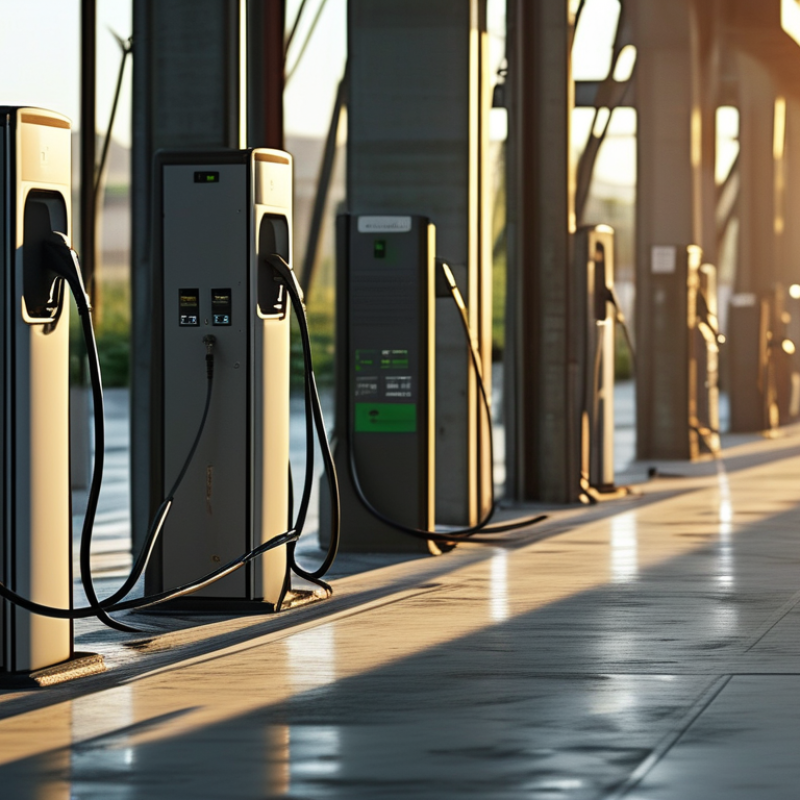
Understanding the Importance of Electric Vehicle Charging Solutions for Businesses
As electric vehicles (EVs) gain traction, businesses must recognize the crucial role of charging solutions. These solutions are not just necessary for employee convenience; they’re vital for maintaining a sustainable brand image. With consumers increasingly favoring eco-friendly practices, installing charging stations demonstrates a commitment to environmental responsibility. This can attract more customers and enhance brand loyalty.
Choosing the right charging solution requires careful consideration. Each business has unique needs, whether a small office or a large fleet operation. Factors such as charging speed, installation costs, and maintaining service availability should influence decisions. Moreover, being transparent about these aspects shows professionalism and builds trust. Businesses should engage stakeholders to align the charging solution with their values and operational needs.
Yet, understanding EV charging is not without challenges. Misjudging the power needs can lead to underperformance or over-investment. There can also be hidden maintenance costs, or underutilized infrastructure if demand doesn’t match expectations. Awareness of these pitfalls is essential in fostering a reliable charging ecosystem. Hence, continuous assessment and adaptation are critical in this evolving landscape.
Evaluating Different Types of Business Electric Vehicle Chargers
Choosing the right electric vehicle (EV) charger for your business is essential. Various charger types cater to specific needs. Level 1 chargers are basic and slow, ideal for overnight charging. They can be sufficient for businesses with limited fleet usage. However, they typically take 8 to 12 hours to charge a vehicle fully.
Level 2 chargers offer a faster solution. They can charge a vehicle in about 4 to 6 hours. These are more suitable for commercial operations with higher vehicle turnover. Fast chargers, or DC fast chargers, are the quickest, as they can provide 80% charge in 30 minutes. However, their installation can be more complex and costly. Consider your business's needs when evaluating options.
Thinking about your charging infrastructure is crucial. Installation requirements and available power supply can limit your choices. You might face challenges with site location and grid capacities. Reflect on potential growth and technology changes. Each option has its pros and cons, so weighing them is vital.
Assessing Charging Infrastructure Needs Based on Fleet Size and Usage
Understanding your fleet's charging infrastructure needs is crucial. The size of your fleet significantly impacts your electric vehicle (EV) charging strategy. A recent report from the International Energy Agency (IEA) highlighted that businesses with more than ten vehicles typically require dedicated charging stations. These stations can help reduce downtime and improve operational efficiency.
Usage patterns also play a vital role in determining charging needs. For example, fleets with high daily mileage may need fast chargers. According to a survey by Fleet News, over 60% of fleet managers reported that charging infrastructure directly influences their EV adoption rates. Evaluating how often and when vehicles return to base can guide decisions on the number and type of chargers required.
Moreover, investing in excess infrastructure can lead to wasted resources. A careful analysis of charging habits can mitigate this issue. Some companies have installed chargers that are underutilized. This underutilization indicates a need for a tailored approach. By assessing the exact needs, companies can avoid unnecessary expenditure on charging solutions while maximizing fleet productivity. Balancing these factors requires insights and foresight.
Exploring Cost Considerations for Business Electric Vehicle Charging Solutions
When businesses consider electric vehicle (EV) charging solutions, cost is a crucial factor. A report from the International Energy Agency (IEA) indicates that the average cost of installing a Level 2 charger ranges from $2,000 to $10,000. This figure can vary based on installation needs and site conditions. Factors such as electrical capacity, connection type, and required permits significantly influence overall expenses.
Moreover, ongoing costs must not be overlooked. The U.S. Department of Energy states that the average electricity cost is about $0.13 per kilowatt-hour. If a business operates a fleet of EVs, these expenses can accumulate quickly. Some businesses face hidden costs from maintenance and software updates, which can be more than they initially anticipated. Installation may also require additional infrastructure upgrades, leading to further financial implications.
Assessing return on investment (ROI) becomes vital. While initial costs may seem daunting, EV charging solutions can lead to savings in fuel expenses and reduced emissions over time. A study by the Rocky Mountain Institute found that businesses can save up to 70% on fueling costs with EVs compared to gas vehicles. However, the timeline for achieving these savings varies significantly. Businesses must weigh immediate expenses against long-term benefits, considering their specific needs and infrastructure capabilities. Balancing these factors can be challenging but essential for smart investment.
Business Electric Vehicle Charging Solutions Cost Analysis
Reviewing Available Incentives and Grants for Electric Vehicle Charging Stations
Electric vehicle (EV) charging stations represent a significant investment for businesses. However, they can also offer financial benefits. Many companies overlook available incentives and grants. According to the U.S. Department of Energy, various federal and state programs provide funding for installation. These programs can cover up to 50% of installation costs. Understanding these opportunities is crucial for maximizing your budget.
Tips: Always research local incentives. Some regions may have additional funds specifically for businesses. Check if your utility company offers rebates for charging station installations. Small businesses can particularly benefit, as many grants target them. Reliable sources like the Alternative Fuels Data Center provide updated information on these incentives.
Many jurisdictions are increasing the number of grants available. The National Renewable Energy Laboratory found that the adoption of EVs is projected to rise. This trend will likely lead to more funding opportunities. Yet, businesses must stay informed. Incentive programs can change frequently, sometimes with little notice. Regularly review your options to ensure you aren’t missing out.





 Phone
Phone Send Email
 whatsapp
 Facebook
 Youtube