How to Start an Electric Charging Business in 2026?
Starting an Electric Charging Business in 2026 requires more than installing chargers beside a busy road. It demands careful research, reliable operations, and a clear understanding of local driving habits. Customers may want fast charging, simple payment, clean facilities, and transparent pricing. Fleet operators may need overnight charging, software integration, and predictable uptime. These needs are different.
Elon Musk, a major figure in electric mobility, stated, “The goal of Tesla is to accelerate the advent of sustainable transport.” That principle still matters, but a charging company must turn it into practical service. A useful site might include six fast chargers, visible lighting, weather protection, and a small waiting area. It also needs enough grid capacity during peak hours. A beautiful location cannot solve weak electrical planning.
The business model may combine charging fees, subscriptions, fleet contracts, advertising, and retail partnerships. However, revenue forecasts can become too optimistic. Utilization often grows slowly. Maintenance costs are easy to underestimate. Hardware downtime can damage customer trust within minutes. Strong operators measure energy delivered, session duration, repeat visits, payment failures, and charger availability.
This guide explores site selection, equipment, funding, partnerships, compliance, safety, pricing, and customer experience. It also examines software, renewable energy options, and expansion decisions. Some assumptions will fail in real markets. That is normal. The better approach is testing small, learning quickly, and improving the plan before investing heavily.
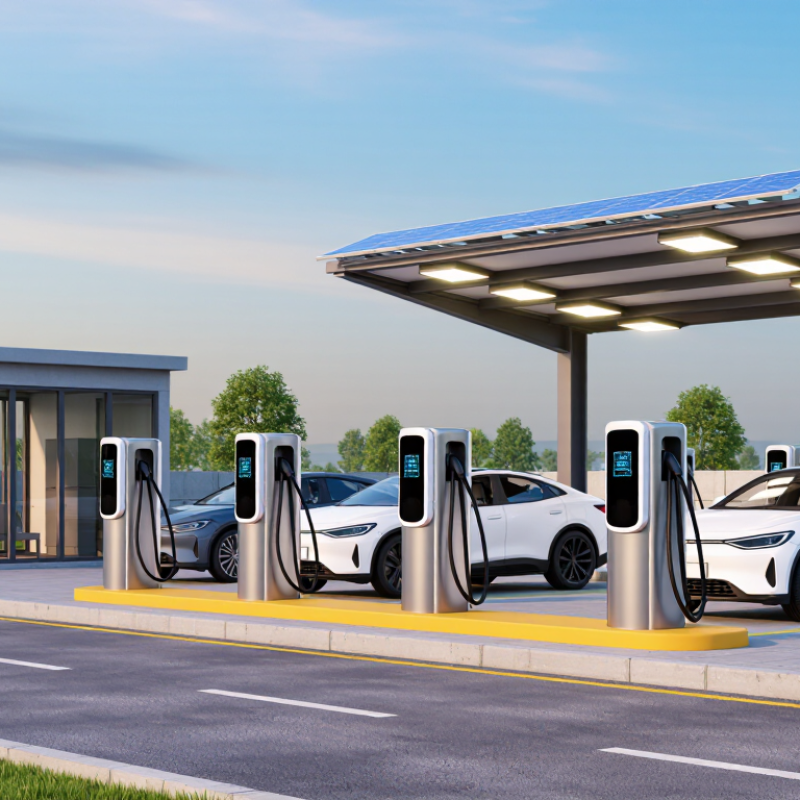
Assess Demand: Global EV Sales Exceeded 17 Million in 2024 (IEA)
How to Start an Electric Charging Business in 2026?
Global electric vehicle sales exceeded 17 million in 2024, according to the International Energy Agency. This figure signals strong demand, but national markets do not grow evenly. Study vehicle registrations, apartment density, taxi activity, and daily traffic near potential sites. Visit locations at morning, lunch, and evening peaks. A busy road is not always a profitable charging location. Drivers may stop briefly, while nearby residents may need overnight access.
Tips:
Interview at least 30 local drivers and property managers. Ask where they charge, how long they wait, and what price feels reasonable. Check grid capacity before signing a lease. A site with weak electrical infrastructure can turn a promising plan into an expensive delay. Include accessible parking, lighting, weather protection, and clear payment instructions. Small details affect repeat usage.
Use conservative forecasts. Estimate utilization by hour, not by total daily traffic. Separate revenue from charging fees, parking, maintenance, and electricity costs. I would test one or two sites before expanding. That approach costs more time, but it exposes weak assumptions early. My own planning mistake would be treating 17 million global sales as local demand. The number is powerful evidence, not a guarantee. Speak with utilities, transport officials, and experienced electrical contractors. Verify permits, safety requirements, insurance, and consumer-protection rules before construction. Keep records of outages and customer complaints. They reveal operational problems that spreadsheets often miss.
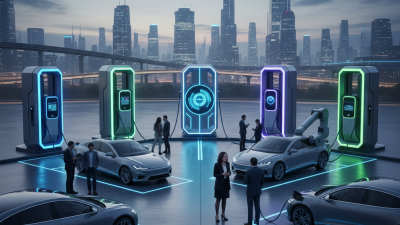
Choose a Business Model for a Market with 4 Million Public Chargers (IEA)
How to Start an Electric Charging Business in 2026?
The IEA’s estimate of four million public chargers shows a large market, but not an automatic profit. A new operator must choose a clear business model before buying equipment. Public fast charging suits busy roads, while destination charging fits hotels, offices, and shopping areas. Fleet depots can offer steadier demand, especially when vehicles return each evening. The best choice depends on traffic, parking duration, grid capacity, and local electricity prices.
Walk the proposed site at different hours. Count parked vehicles, observe nearby chargers, and record how long drivers stay. A charger beside a quiet retail park may look affordable, yet weak demand can damage returns. A busy location may create queues, but connection upgrades can become expensive. I would test one or two sites first, rather than trusting a national forecast. Forecasts can miss seasonal travel and changing vehicle patterns.
Reliability should shape the operating plan. Drivers expect clear pricing, simple payment, accurate availability, and safe lighting. Maintenance contracts, remote monitoring, accessible parking design, and spare components reduce avoidable downtime. The business must also verify permits, electrical standards, data protection duties, and consumer rules before construction. These requirements differ by location. Some early assumptions will be wrong. That is normal, but ignoring usage data is not. Monthly reviews should compare utilization, energy costs, repair time, customer complaints, and revenue per parking space. A charger that is technically busy may still lose money after demand charges and site rent.
Plan Capital and Revenue for 15 Million Chargers Needed by 2030 (IEA)
How to Start an Electric Charging Business in 2026?
The International Energy Agency estimates that around 15 million public chargers may be needed globally by 2030. Its Global EV Outlook 2024 links this demand to rapid electric vehicle growth and expanding urban charging needs. The opportunity is large, but charger counts alone do not create profit. A site with eight connectors can still lose money if vehicles arrive only twice daily.
Capital planning should begin with the grid connection, not the charger catalogue. Allocate funds for permits, civil works, transformers, hardware, software, maintenance, insurance, and at least twelve months of operating cash. The International Council on Clean Transportation reports that charging demand varies sharply by location and vehicle use. Therefore, traffic data, apartment density, fleet activity, and local parking rules deserve careful testing before construction. Grid upgrades may become the largest expense.
Revenue models should combine energy sales with predictable utilization. Price by kilowatt-hour where permitted, then test parking fees, fleet contracts, and workplace charging packages. The National Renewable Energy Laboratory finds that charger utilization strongly affects project economics. Track sessions, delivered energy, peak demand, downtime, and repair response times every month. Start smaller.
A difficult truth remains. Forecasts can be wrong. Electricity tariffs can change, and early utilization may disappoint. Build a conservative model using low, medium, and high-demand cases. Recheck it quarterly. That discipline may protect capital better than aggressive expansion.
Launch Operations Around the U.S. 97% Charger-Uptime Standard
How to Start an Electric Charging Business in 2026?
A charging business should be designed around reliability, not only installation speed. The U.S. National Electric Vehicle Infrastructure program requires 97% annual uptime for each charging port. That permits roughly eleven days of downtime yearly. Customers will not experience those days evenly. One failed connector during a holiday weekend can damage trust quickly.
Build operations around measurable service controls. Use remote monitoring for power faults, payment failures, network interruptions, and temperature alarms. Keep replacement cables, contactors, and communication equipment near high-traffic sites. Set technician response targets, then test them monthly. The U.S. Department of Energy’s Alternative Fuels Data Center tracks a rapidly expanding public network, with more than 200,000 public charging ports reported in recent updates. More ports also mean more maintenance complexity.
The International Energy Agency reported strong growth in public charging infrastructure during 2023, confirming a larger operating market. However, utilization forecasts are not guarantees. A quiet charger still needs inspections, software checks, and weather protection. Measure uptime by port, location, and hour, rather than using one blended monthly number. That exposes weak sites.
A 97% target is necessary, but it is not excellent. Mistakes happen. Review outage patterns, customer complaints, and unsuccessful charging sessions together. Then redesign the process before expanding the network.




 Phone
Phone Send Email
 whatsapp
 Facebook
 Youtube