Top Home AC Wallbox Charger Solutions for Global Buyers
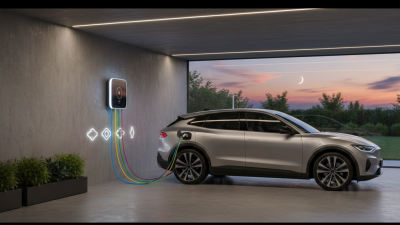
As electric vehicles gain popularity, the demand for efficient charging solutions rises. The Home AC WallBox Charger has emerged as a key component in supporting this transformation. According to a 2023 report by the International Energy Agency, the global electric vehicle market is projected to reach 230 million units by 2030. Consequently, homeowners need reliable charging solutions that are not only efficient but also user-friendly.
The Home AC WallBox Charger offers significant advantages in terms of convenience and speed. With varying power outputs, it caters to different vehicle types and charging needs. Data from industry surveys indicates that 70% of EV owners prefer home charging to enhance their daily routine. This reflects the growing reliance on these charging systems. However, buyers must navigate varying standards and compatibility issues across regions, which can be daunting.
Choosing the right Home AC WallBox Charger can seem overwhelming. Features like smart charging capabilities and safety standards are critical. Yet, some models fall short, highlighting the necessity for thoughtful comparison. Industry experts recommend thorough research to ensure optimal performance and reliability. Your investment in a Home AC WallBox Charger should reflect both current needs and future-proof capabilities.
Top Global Home AC Wallbox Charger Solutions: An Overview
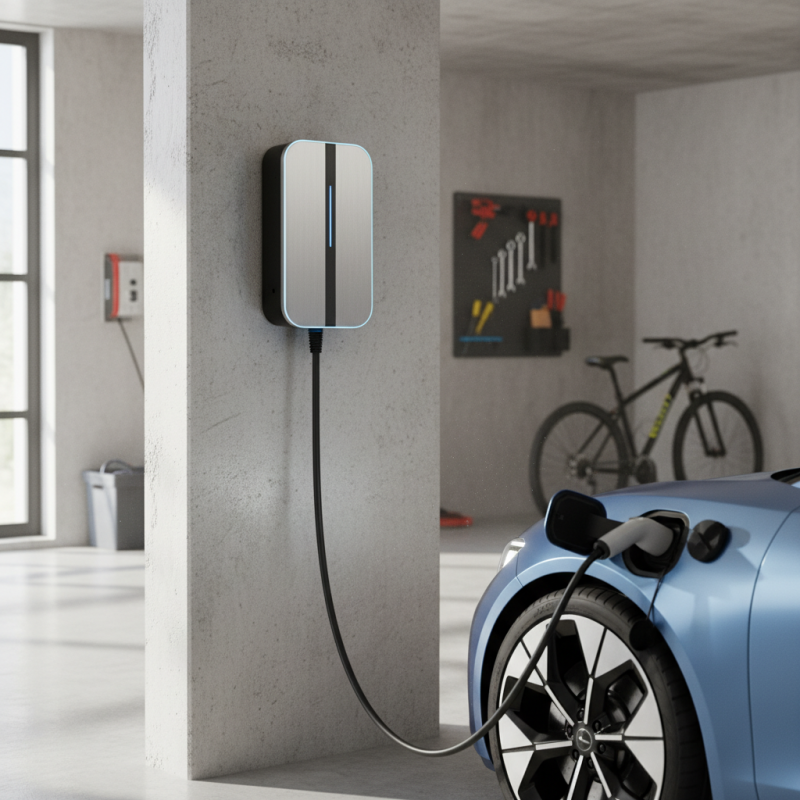
As the world pivots towards sustainable energy, home AC wallbox chargers gain popularity. These devices enable electric vehicle owners to charge their cars at home efficiently. The global market offers diverse models, each catering to various needs.
Before purchasing, consider your power capacity. Some homes may require upgrades to handle a high-capacity charger. Evaluating your electrical setup is essential. Not every charger is compatible with all vehicles. Research compatibility before finalizing your choice.
Tips: Look for chargers with adjustable settings. This feature helps manage charging times to suit your schedule and reduces energy costs. Also, think about smart charging capabilities. They provide convenience through app control.
Not every charger is easy to install. Some may require professional installation, which adds to the cost. It's important to weigh these considerations against the benefits they offer. An informed decision ensures you get the best value for your investment in greener energy solutions.
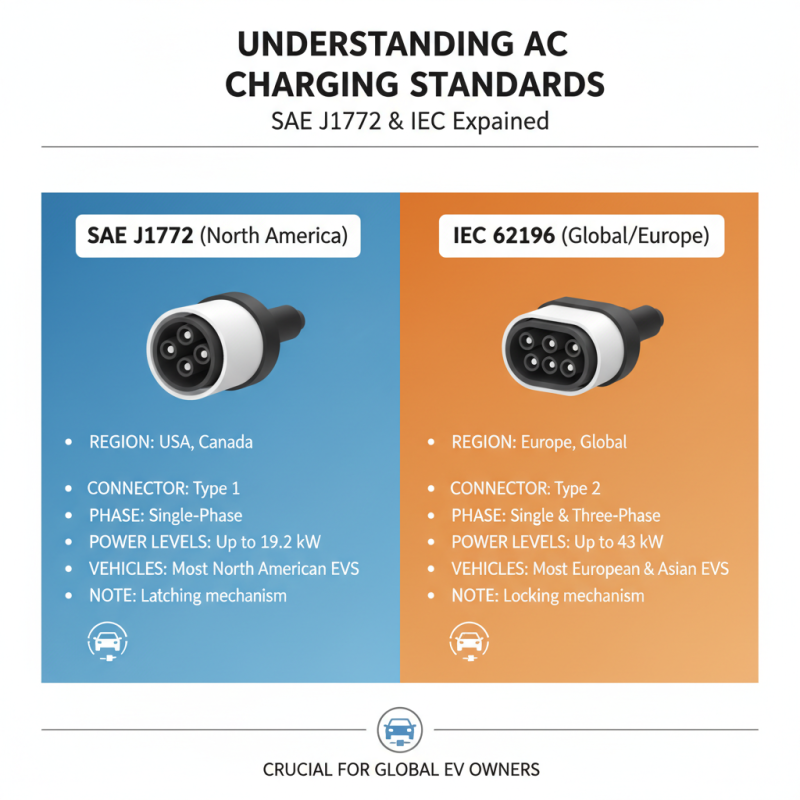
Understanding AC Charging Standards: SAE J1772 and IEC 62196 Explained
AC charging has become essential for electric vehicle (EV) owners. Understanding the differences between SAE J1772 and IEC 62196 standards is crucial for global buyers. These standards dictate connector types, power levels, and safety features.
SAE J1772 is widely used in North America. It supports Level 1 (120V) and Level 2 (240V) charging. Reports indicate that around 80% of all EV chargers in the U.S. adhere to this standard. In contrast, IEC 62196, often referred to as Type 2, is prevalent in Europe. This standard allows for three-phase charging, providing faster charging capabilities.
Tips: When selecting an AC charger, ensure it meets your region's standards. Consider the power needs of your vehicle. Not all chargers are created equal. Some might not provide the necessary amperage for your EV.
The EV market is evolving rapidly. A focus on safety and compatibility is essential for consumers. Many chargers fail to provide adequate user information, leading to confusion. Buyers should be aware of the limitations and capabilities of their chosen solution before making a purchase.
Key Features to Consider in Home AC Wallbox Chargers
When choosing a home AC wallbox charger, several key features significantly impact functionality and user experience. One of these is charging speed. According to a recent industry report, faster chargers can reduce electric vehicle charging time by up to 50%. This is crucial for households with multiple EV users, where time efficiency is essential.
Another important aspect is compatibility. Not all chargers work seamlessly with every vehicle. Some models allow for smart connectivity, enabling users to monitor charging status through mobile apps. This feature is gaining traction, shown by a survey where 40% of consumers prefer chargers that offer smart capabilities.
Safety features cannot be overlooked. Many chargers now include protections against overcurrent and overheating. However, reliability varies widely among products. Some lower-end models may lack these safeguards, raising concerns for safety. Ensuring a charger meets established industry standards is vital. Users should prioritize robust and certified products to avoid potential hazards.
Top Home AC Wallbox Charger Solutions for Global Buyers
Market Insights: Growth Trends in the Home EV Charger Industry
The home electric vehicle (EV) charger market is experiencing rapid growth. According to a recent report, the global home EV charger market is expected to reach USD 3.57 billion by 2028, growing at a compound annual growth rate (CAGR) of 30%. This surge is driven by increasing EV adoption and the need for convenient charging solutions.
As more households switch to electric vehicles, demand for home AC wallbox chargers rises. These chargers offer efficient charging at home, reducing dependence on public infrastructure. However, the market faces challenges, such as varying installation standards and technological compatibility among different EV models. A recent study highlighted that 25% of consumers express concerns about installation costs and compatibility issues.
Regional insights reveal significant differences. In North America, incentives boost home charger sales, while Europe sees strict regulations aimed at improving sustainability. Interestingly, some markets lag behind, often due to insufficient awareness about the benefits of home charging solutions. Bridging this gap remains critical. The industry must prioritize consumer education and enhance product transparency to build trust.
Comparative Analysis of Leading AC Wallbox Charger Brands Worldwide
In the rapidly evolving landscape of electric vehicle charging solutions, AC wallbox chargers stand out as essential tools for everyday convenience. A recent report by the International Energy Agency (IEA) notes that global sales of electric vehicles surged by 108% in 2021 alone, emphasizing the growing demand for efficient charging options. This trend prompts buyers to evaluate the myriad of brands available.
When comparing AC wallbox chargers, several factors emerge. The average charging speed can vary significantly among brands, often ranging from 3.7 kW to 22 kW. Faster charging translates to less downtime, appealing to users with packed schedules. Additionally, installation requirements can differ; some chargers necessitate dedicated circuits, complicating setups. Cost is another concern; basic models start around $300, but advanced features can push prices beyond $2,000.
Reliability and durability rank high on users' priorities. Factors such as weather resistance and warranty offerings influence buyer trust. Research indicates that products with robust customer service ratings often outperform competitors in the long run. Yet, even top-rated chargers occasionally face criticisms over connectivity issues and user interfaces, inviting reflection on optimal user experience. Customers must navigate between advanced functionality and practical usability.




 Phone
Phone Send Email
 whatsapp
 Facebook
 Youtube