2026 How to Choose the Best Outdoor Electric Car Charger?
As electric vehicles (EVs) gain popularity, outdoor electric car chargers are becoming essential for EV owners. According to a report by the International Energy Agency, the global stock of EVs reached over 10 million in 2020, and it is expected to triple by 2026. With this surge, the demand for convenient and efficient outdoor charging solutions has never been more critical.
When selecting the best outdoor electric car charger, factors such as charging speed, compatibility, and installation adaptability should be considered. Many users overlook these aspects, leading to subpar charging experiences. Data from ChargePoint indicates that nearly 40% of EV owners have faced issues with inadequate charging infrastructure. This highlights the need for informed choices and careful consideration to avoid potential inconveniences.
In the ever-evolving EV market, understanding the nuances of outdoor electric car chargers can significantly impact your driving experience. It's essential to analyze your charging requirements and environmental conditions. High-quality chargers can enhance convenience and efficiency. However, weighing options with professional insights ensures a better investment in the long run.
Understanding Different Types of Outdoor Electric Car Chargers Available in 2026
In 2026, choosing the right outdoor electric car charger requires understanding the various types available. Level 1 chargers offer a basic option for home use, providing approximately 4-5 miles of range per hour. These chargers are typically compatible with standard outlets. Meanwhile, Level 2 chargers significantly enhance charging speed, delivering around 25 miles of range per hour. They require a dedicated electrical circuit and are ideal for daily use.
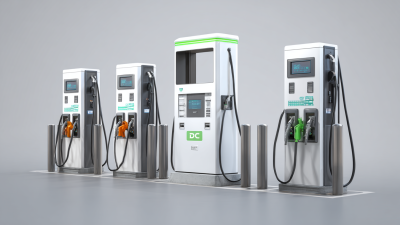
Another noteworthy option is DC fast chargers. These chargers provide rapid charging for those in need of quick turnarounds. They can deliver an 80% charge in about 30 minutes. However, they are less common for home installations and often found in commercial settings. According to the International Energy Agency, the number of public charging stations is expected to increase by 30% annually, reflecting the growing demand for varied charger types.
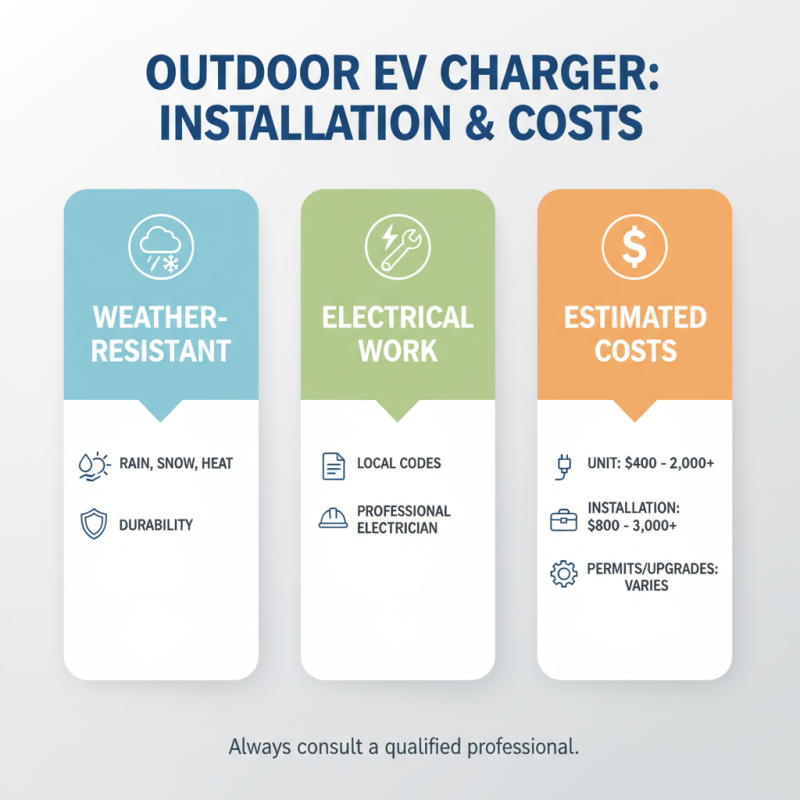
While choosing an outdoor charger, one must consider energy efficiency and installation costs. Higher power chargers can sometimes lead to increased energy bills. Additionally, improper installation can result in safety hazards. Understanding these nuances will ensure a more informed decision when investing in electric car charging solutions.
2026 How to Choose the Best Outdoor Electric Car Charger? - Understanding Different Types of Outdoor Electric Car Chargers Available in 2026
| Charger Type |
Charging Speed (kW) |
Typical Cost ($) |
Installation Type |
Weather Resistance |
| Level 1 Charger |
1.5 - 2.4 kW |
300 - 600 |
Standard Home Outlet |
Limited |
| Level 2 Charger |
3.3 - 19.2 kW |
500 - 1,500 |
Hardwired/Plug-in |
Good |
| DC Fast Charger |
50 - 350 kW |
10,000 - 40,000 |
Commercial Installation |
Excellent |
| Portable Charger |
1.5 - 2.4 kW |
200 - 800 |
Portable |
Variable |
| Smart Charger |
3.3 - 9.6 kW |
600 - 1,200 |
Hardwired/Plug-in |
Good |
Key Factors to Consider When Selecting an Outdoor Electric Car Charger
Choosing the right outdoor electric car charger involves several key factors. One major consideration is the charging speed. Chargers come in various power levels. A level 2 charger is often preferable for outdoor use. It offers faster charging compared to level 1. This can be vital for daily commuting needs.
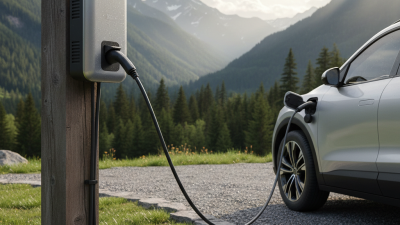
Another important factor is weather resistance. An outdoor charger should be rated for all weather conditions. Look for an IP rating, which indicates the charger’s durability against rain, snow, and dust. Proper installation is crucial, too. Ensure that your charger is fixed securely and safely. This not only affects its performance but also your safety.
Consider the cable length as well. A longer cable allows more flexibility in charging locations. Short cables may limit options based on parking arrangements. While it may seem trivial, aesthetics matter too. A visually appealing charger can enhance the outdoor appearance of your space. Reflect on how it fits with your home’s style. Ultimately, thorough research and personal needs will guide your final decision.
Key Factors to Consider When Selecting an Outdoor Electric Car Charger
Analyzing Charging Speed and Efficiency: Level 1 vs Level 2 Chargers
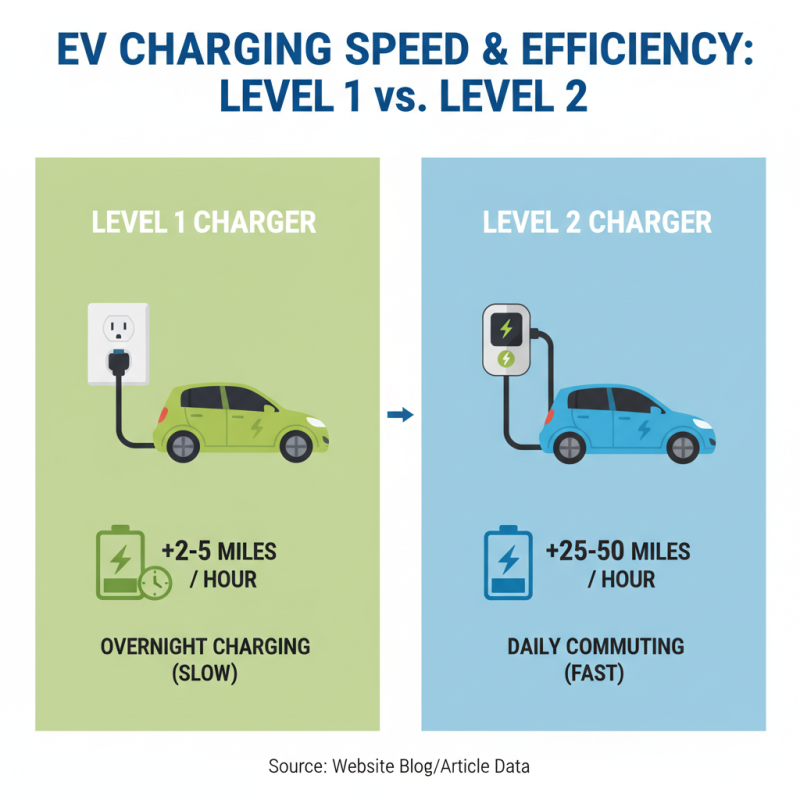
When selecting an outdoor electric car charger, it’s crucial to evaluate charging speed and efficiency. Chargers typically fall into two categories: Level 1 and Level 2. Level 1 chargers use a standard home outlet. They usually deliver around 2 to 5 miles of range per hour of charging. This speed is sufficient for overnight charging but can be frustrating for daily commuters needing a quick top-up.
In contrast, Level 2 chargers are more efficient. These chargers can provide 10 to 60 miles of range per hour, depending on the vehicle. The faster charging capability means more convenience, especially for those with busy lifestyles. However, they require specialized installation and can cost more upfront. It’s essential to consider your daily driving needs.
Not all homes are equipped for Level 2 chargers. This limitation might require hiring a professional. Maintenance is another factor; some users overlook this. Various weather conditions can impact charger lifespan. While Level 1 may seem easier to use, it doesn't always align with every user's demands. Making a choice involves weighing these details carefully.
Evaluating the Impact of Weather Resistance on Outdoor Charger Durability
When selecting an outdoor electric car charger, it's vital to consider weather resistance. Outdoor chargers face rain, snow, and extreme temperatures. A charger lacking durability can malfunction or degrade quickly. Assess the materials used and check for IP ratings. The higher the IP rating, the better the protection against elements. Efficient charging relies on dependable hardware.
Tips:
Choose chargers made from robust, UV-resistant materials. Ensure seals and protective features cover vulnerable connections. Check reviews from users who have tested chargers in various weather conditions.
Weather resistance is not just about the charger itself. Installation location is crucial. Avoid areas prone to flooding or heavy winds. Position chargers where they receive natural protection. This advice may seem basic, yet many overlook these details.
Consider how exposure might affect longevity. Rain can corrode components, while sunlight can weaken casings. Relying solely on warranties may not save you in the long run. Always factor in potential environmental challenges when making your choice.


 Phone
Phone Send Email
 whatsapp
 Facebook
 Youtube